What Even Is This? A Mystery Object in Matrix — Part One
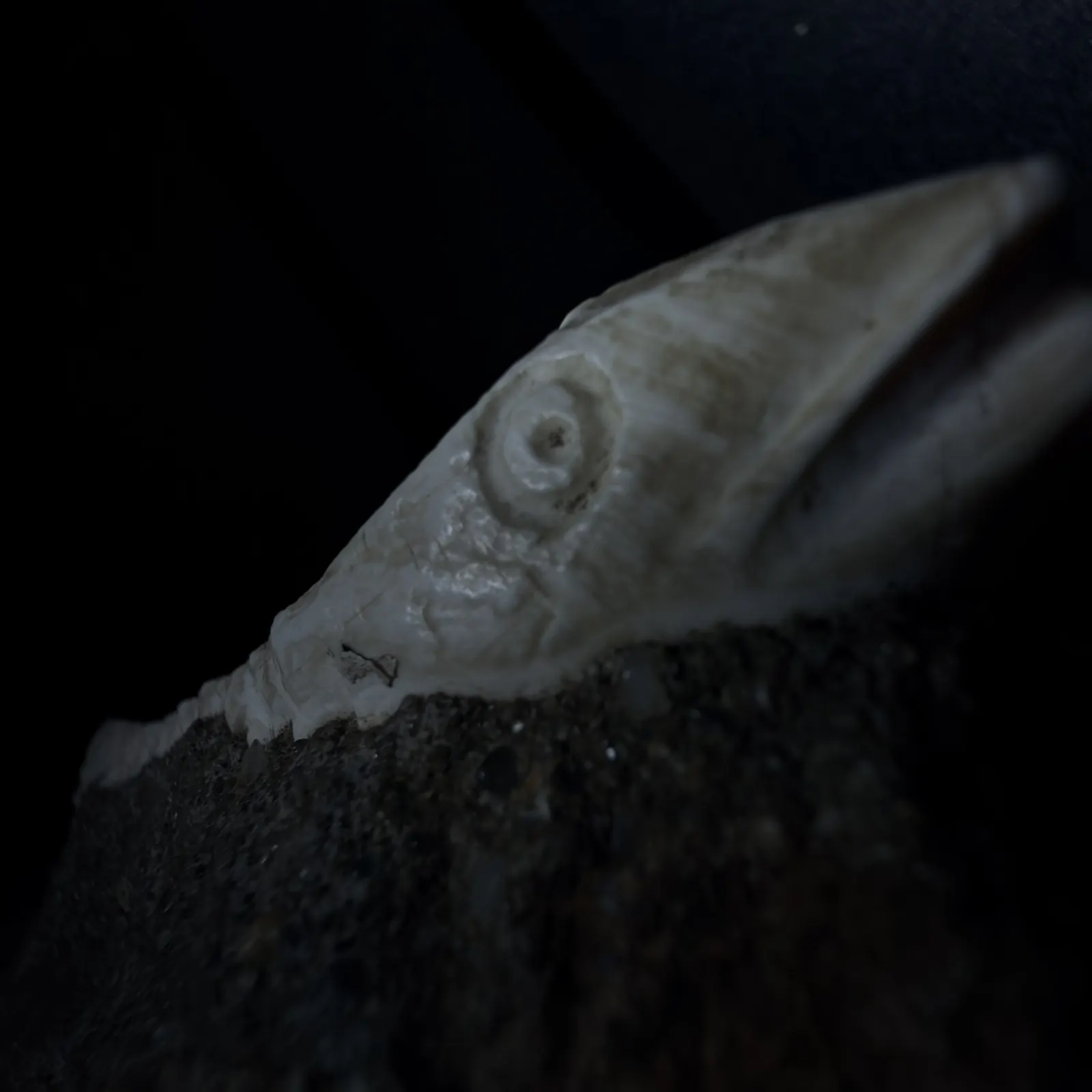
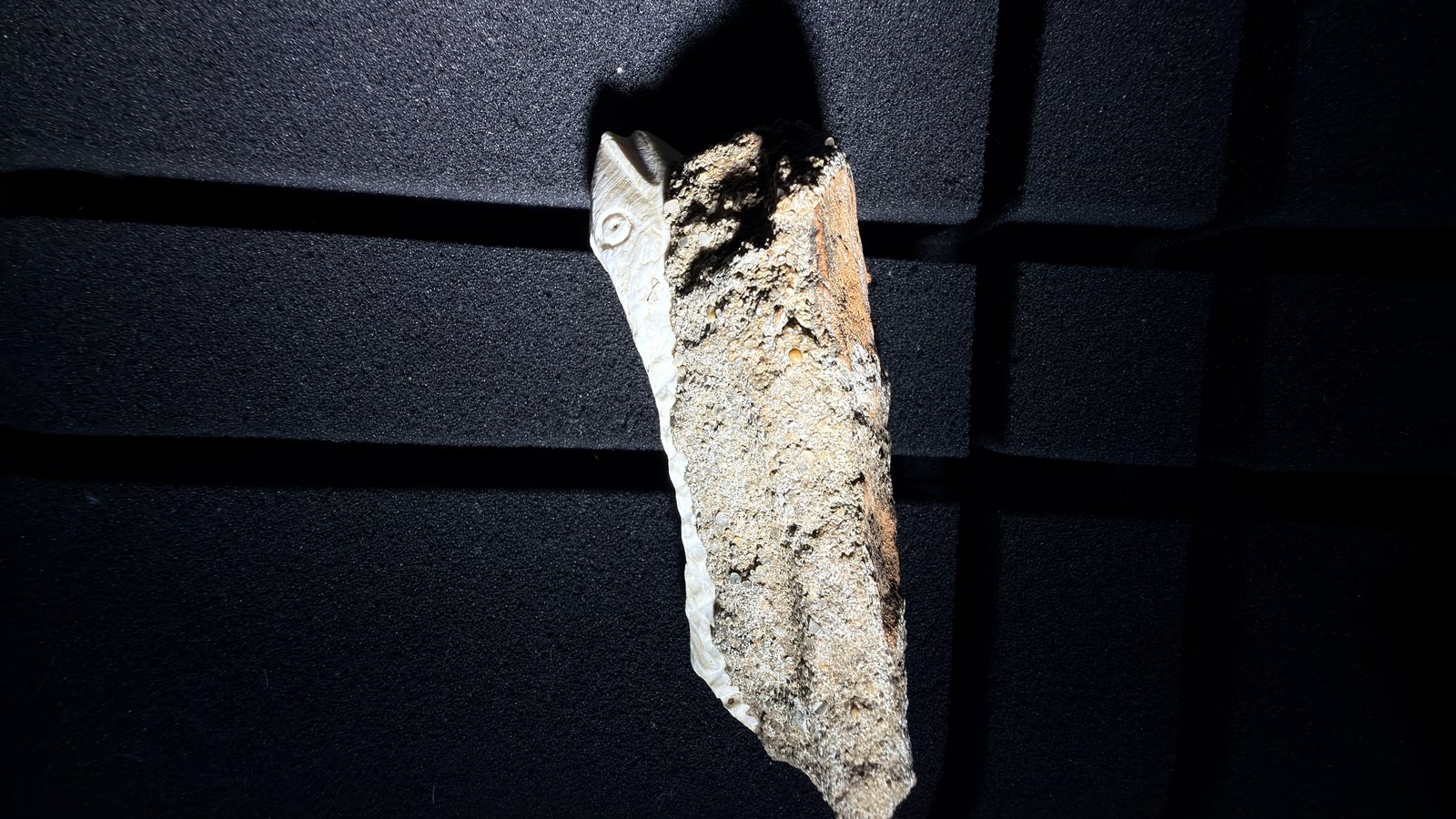
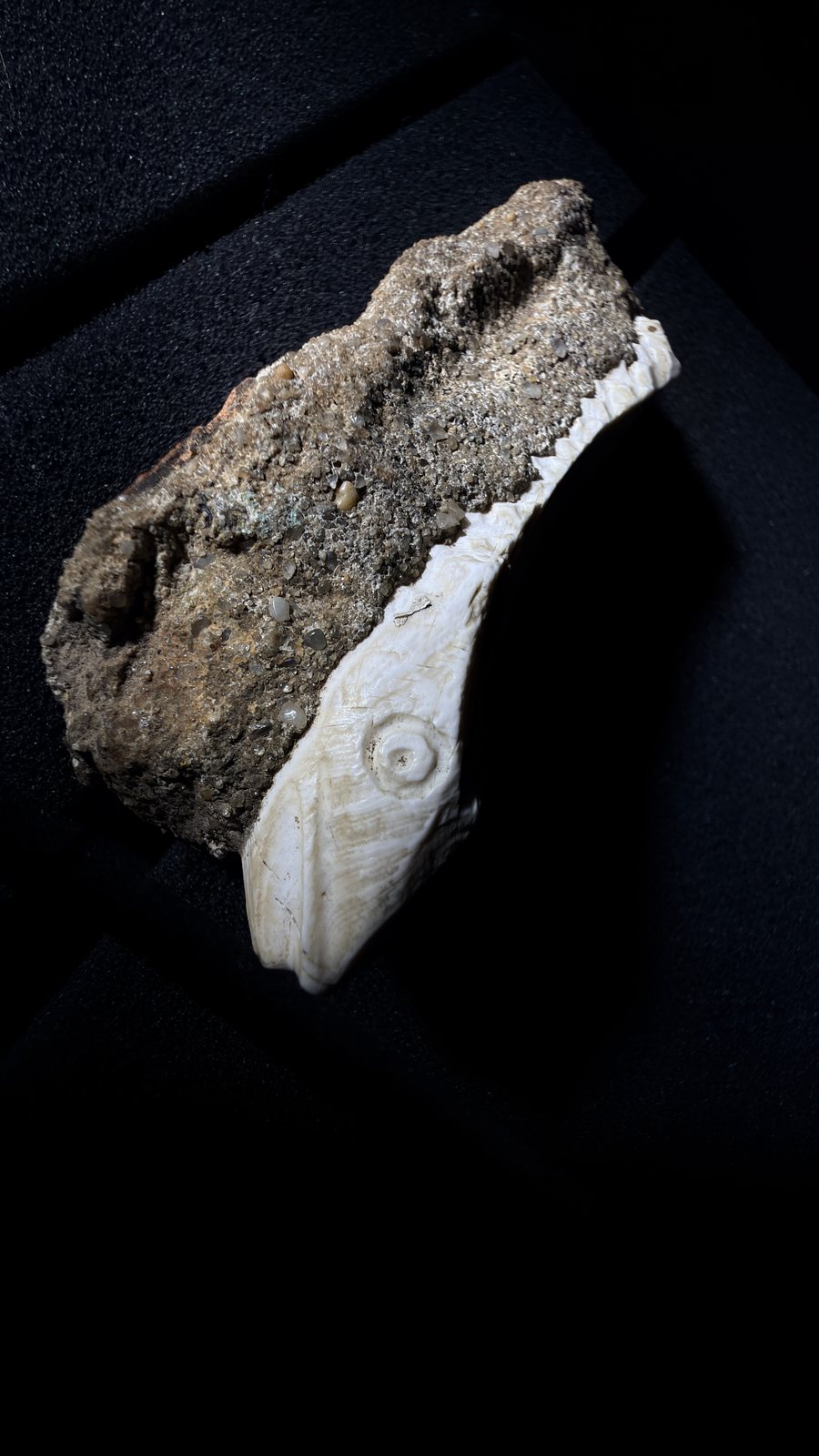
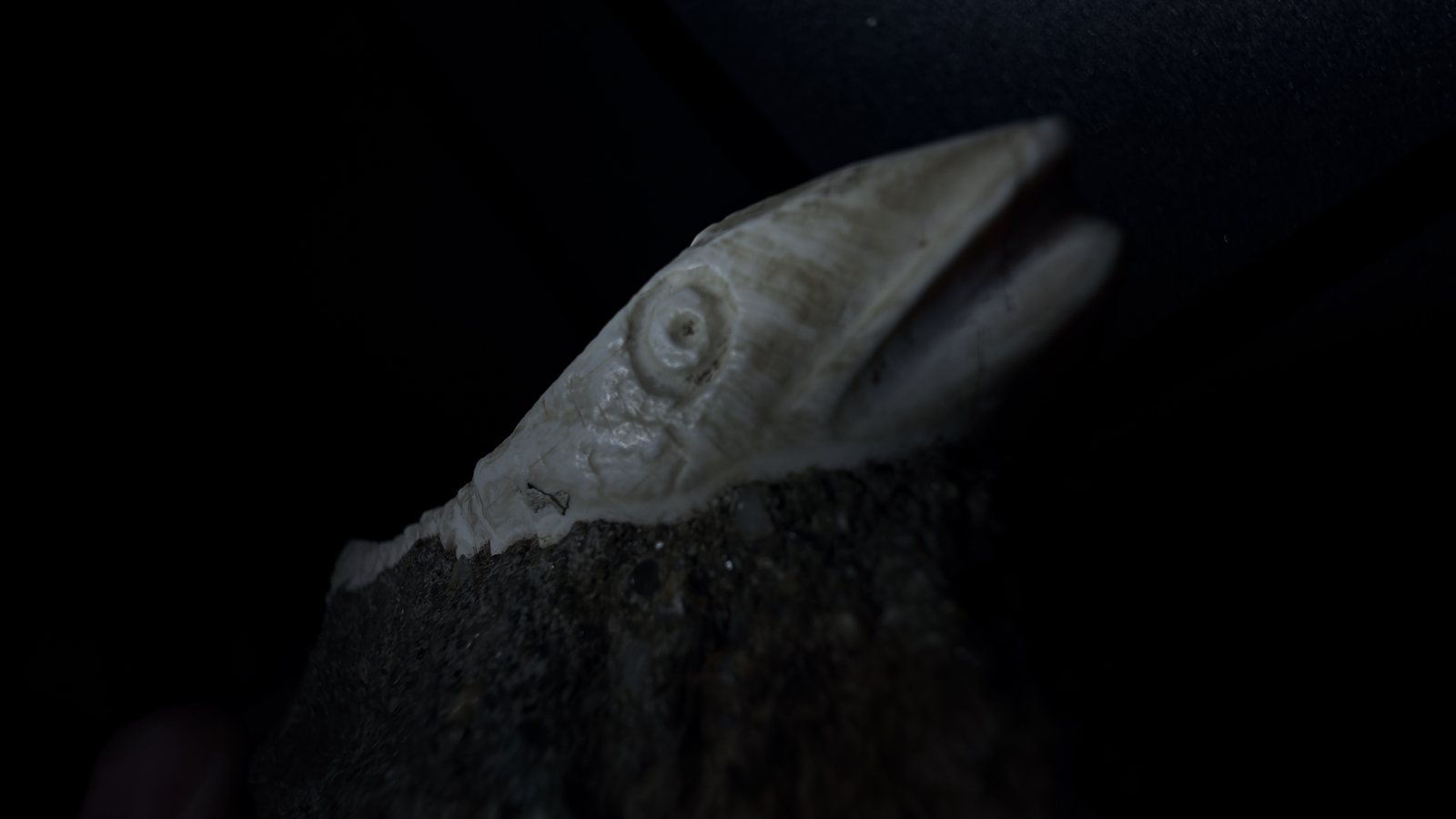
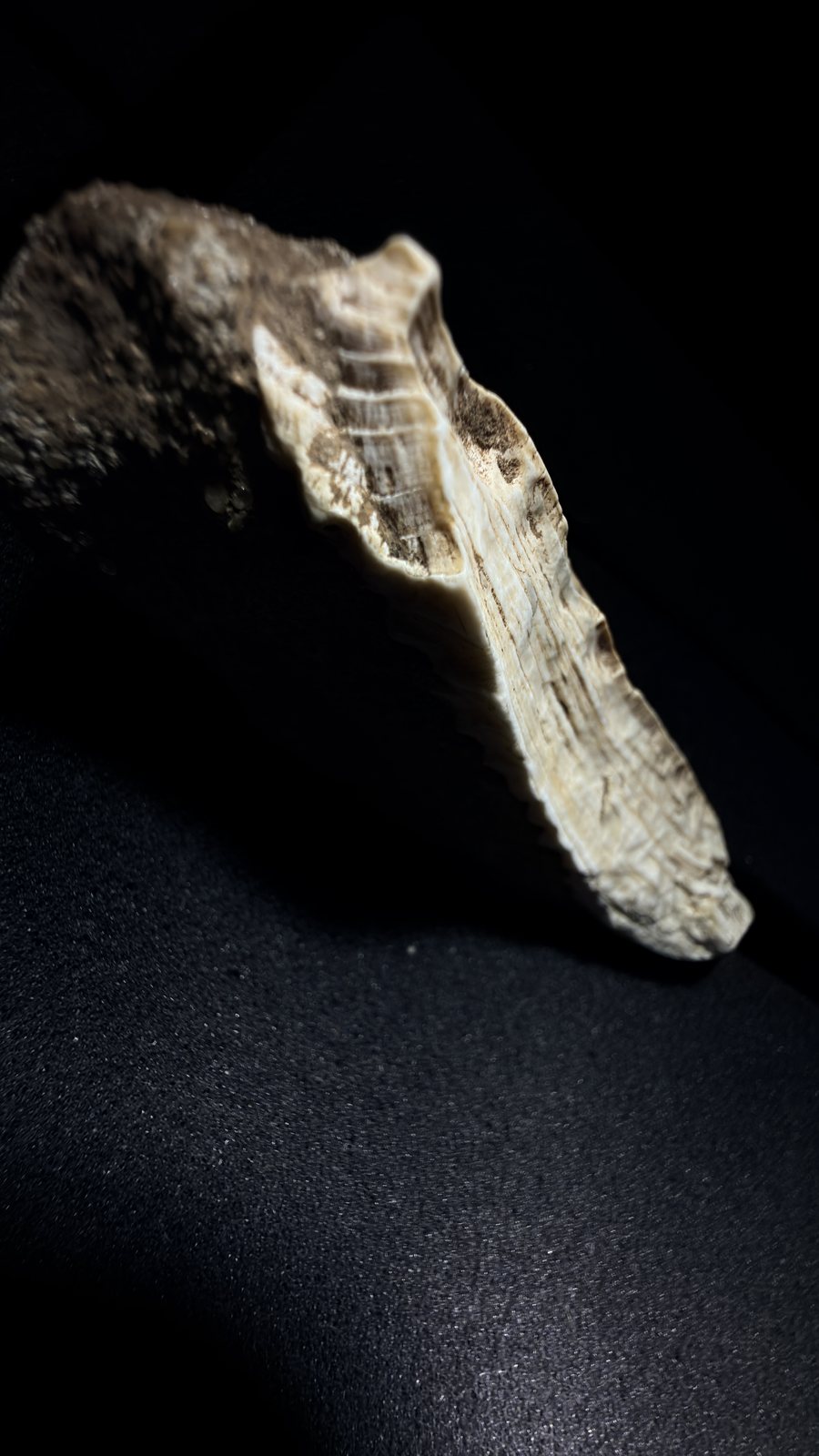
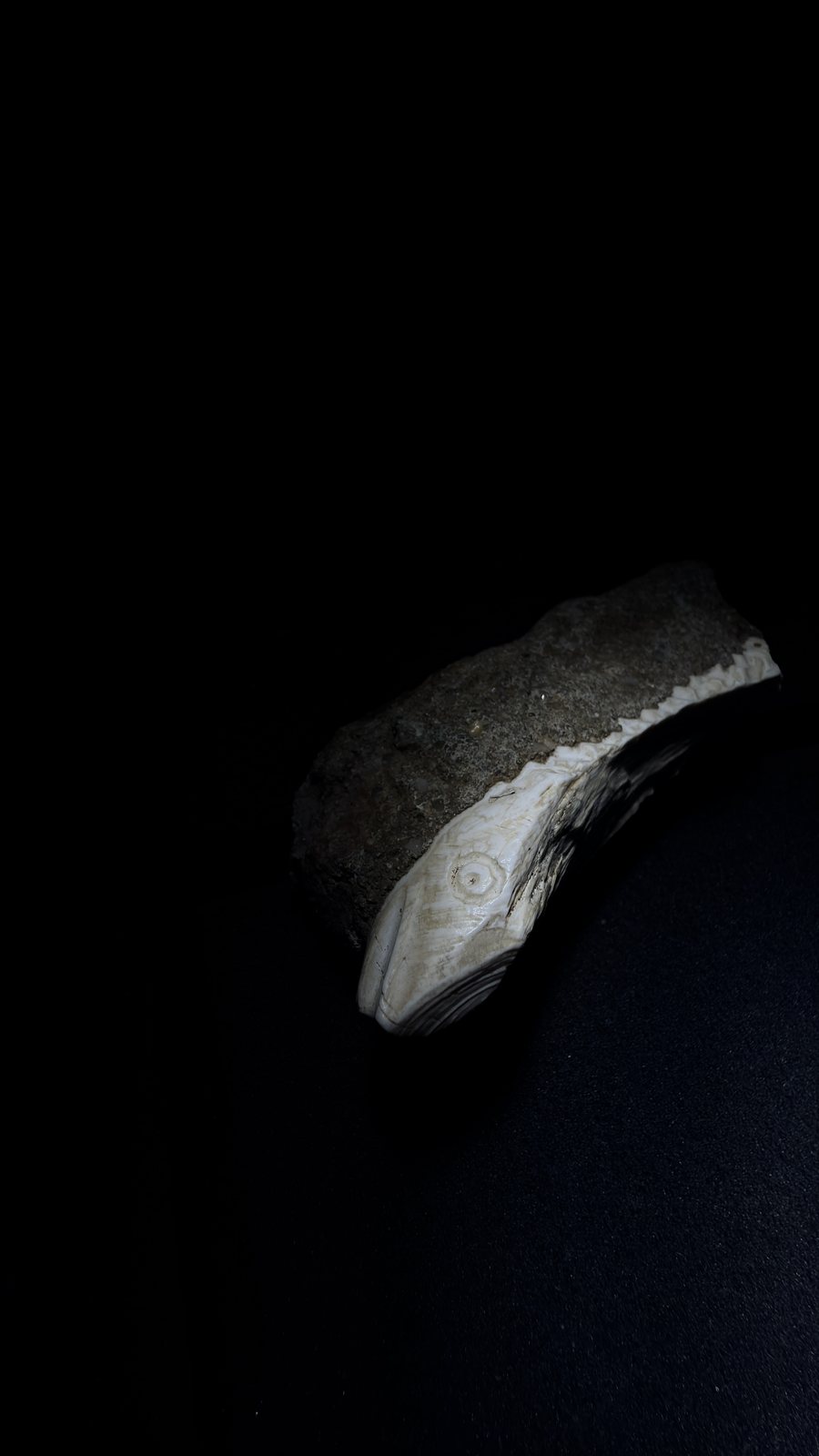
An object can change its apparent identity when you move around it. From one angle, the pale edge reads like a small animal head. Turn it and the same shape becomes a layered strip attached to a rough block. The circular depression looks like an eye until the surrounding ridges and the slit-like crease pull it back into the material itself.
This case file records the visible details, the theories from Reddit, and the questions for qualified examination.
The physical record
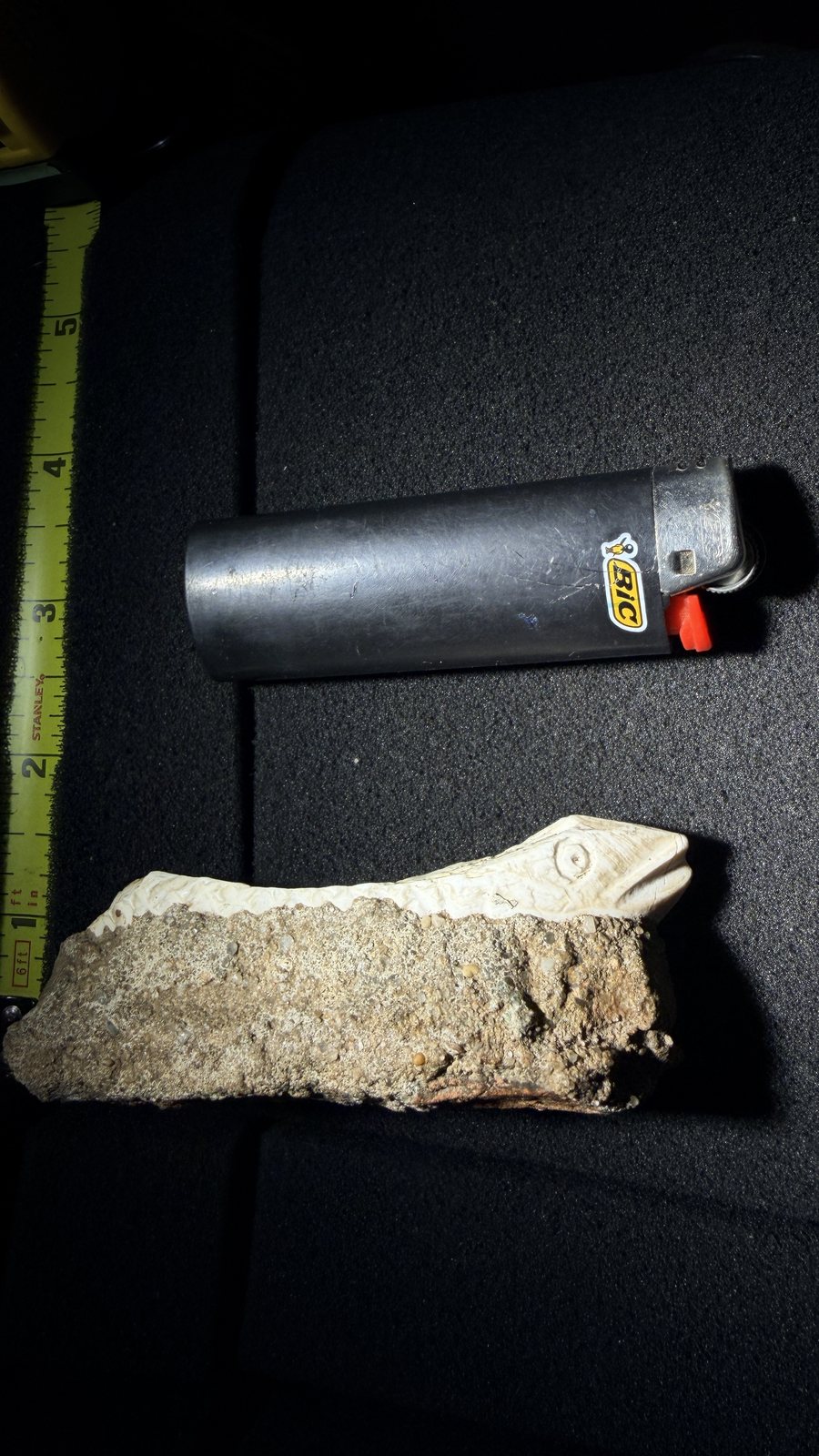
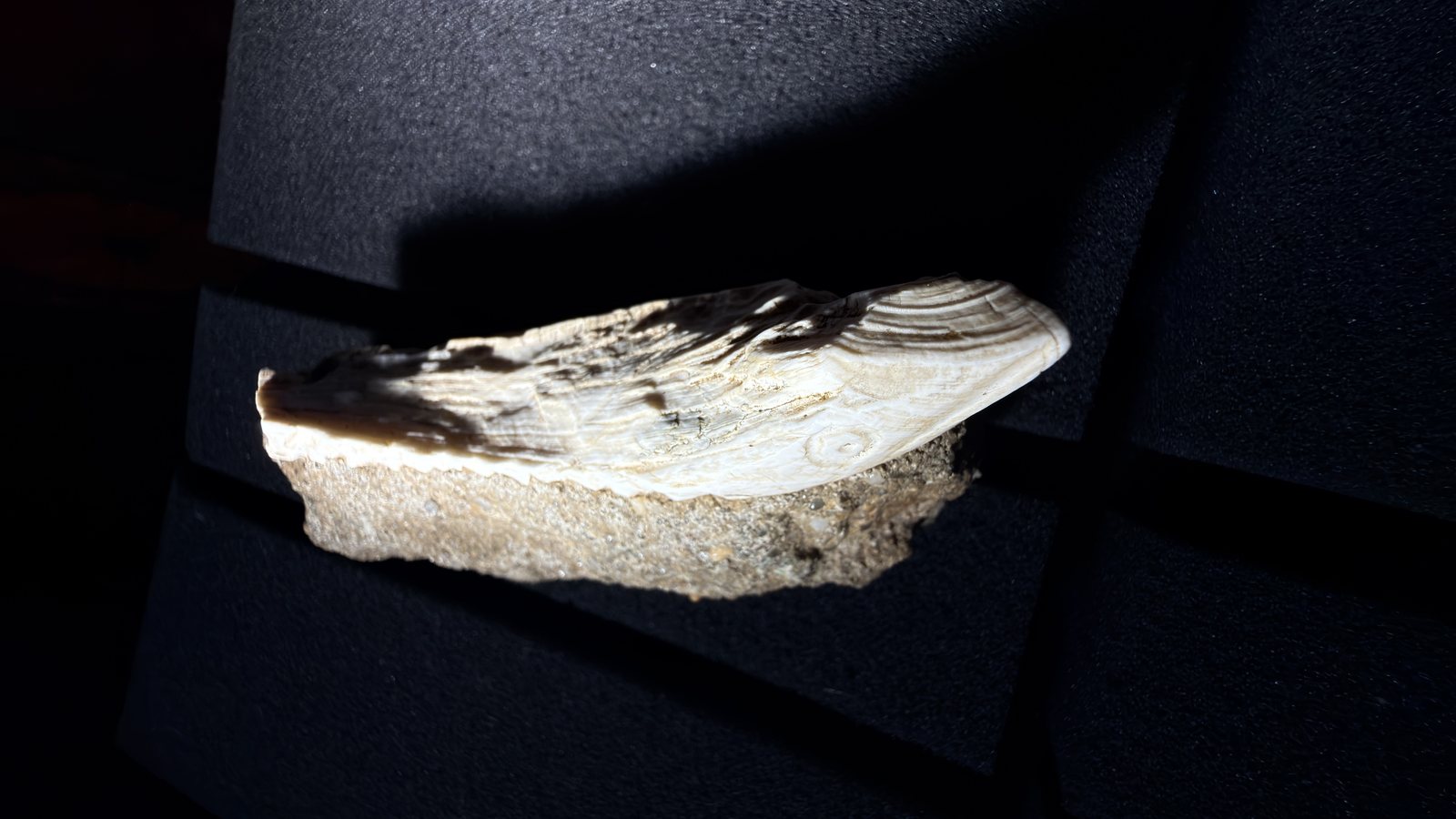
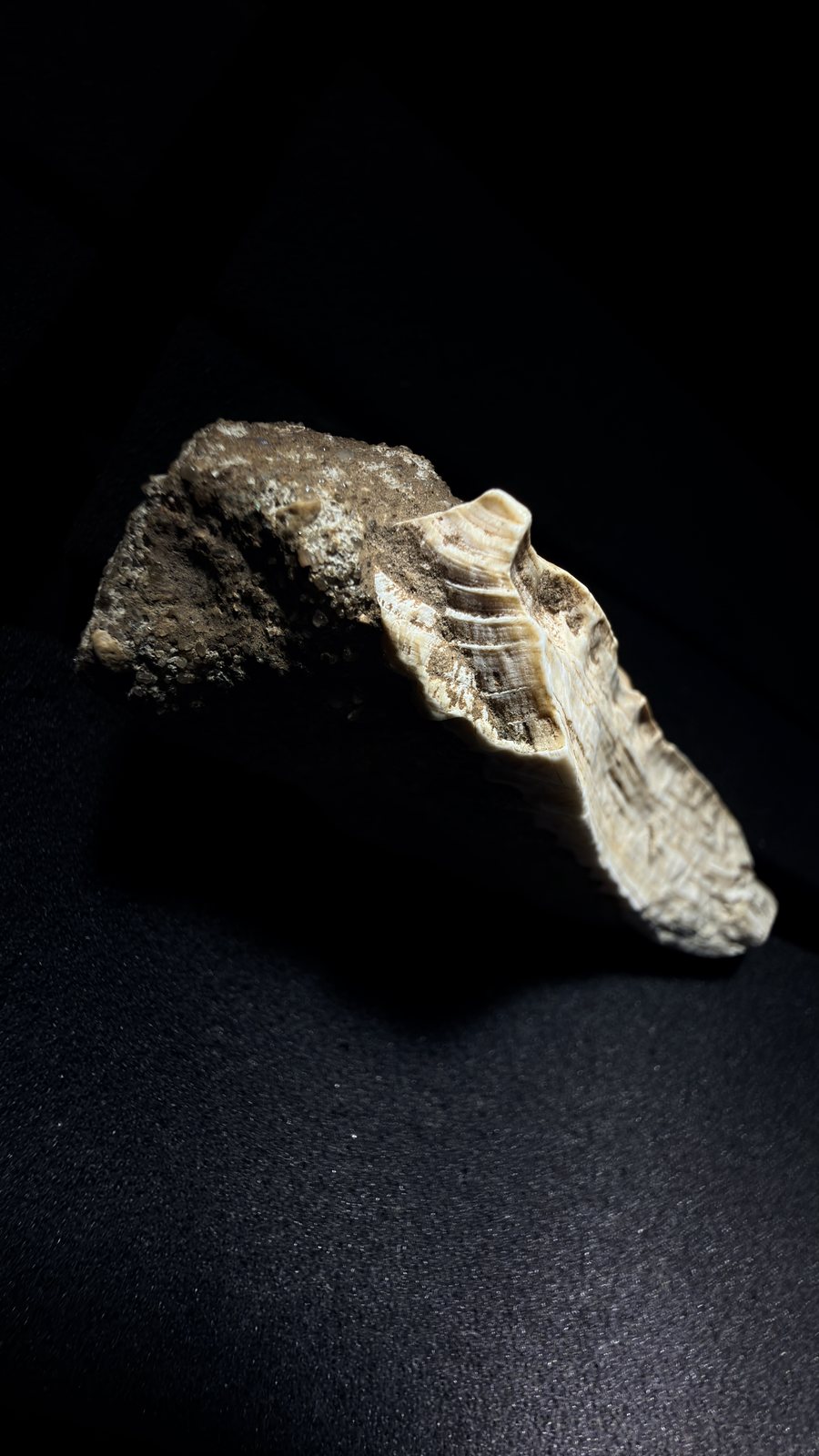
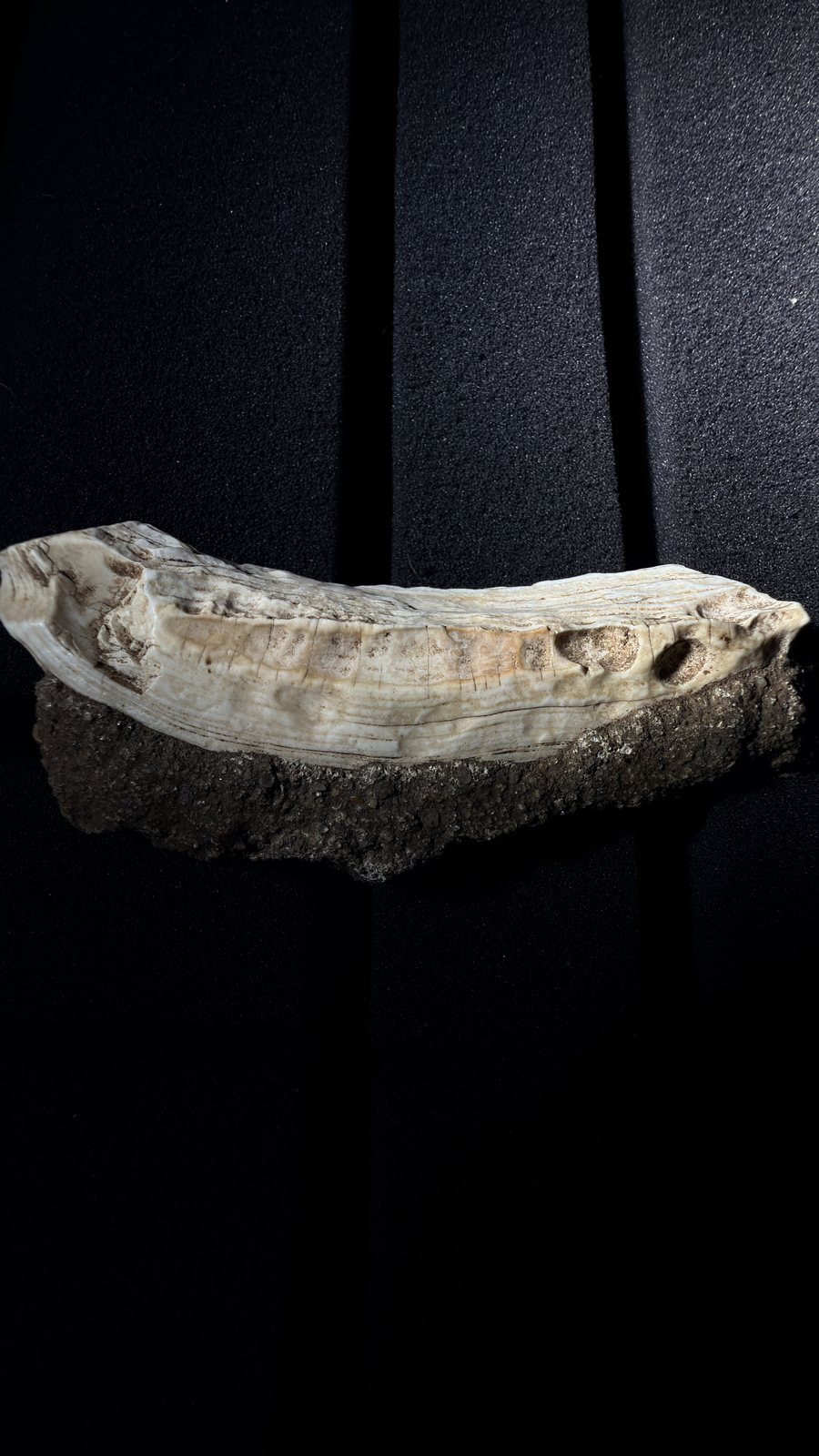
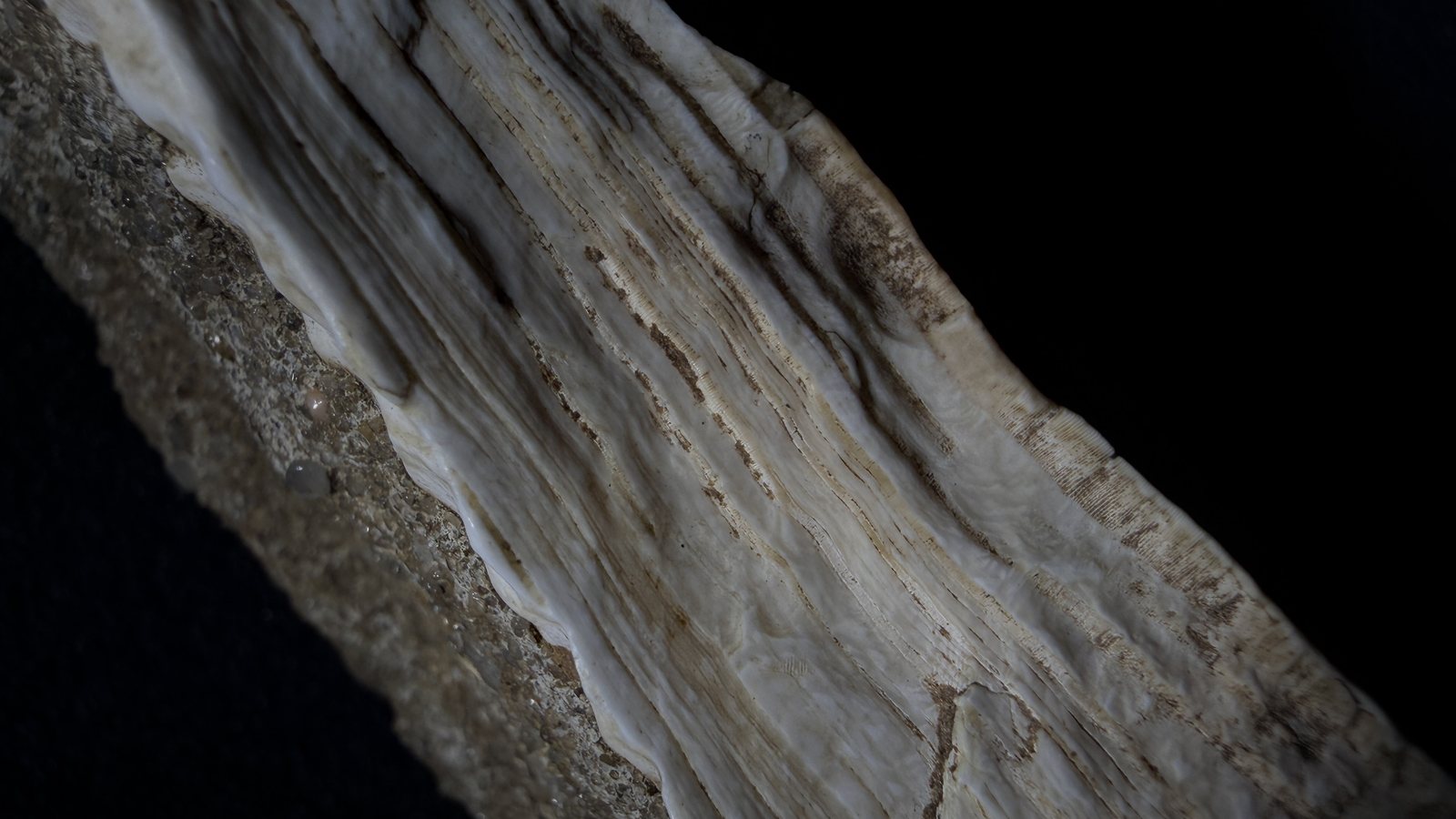
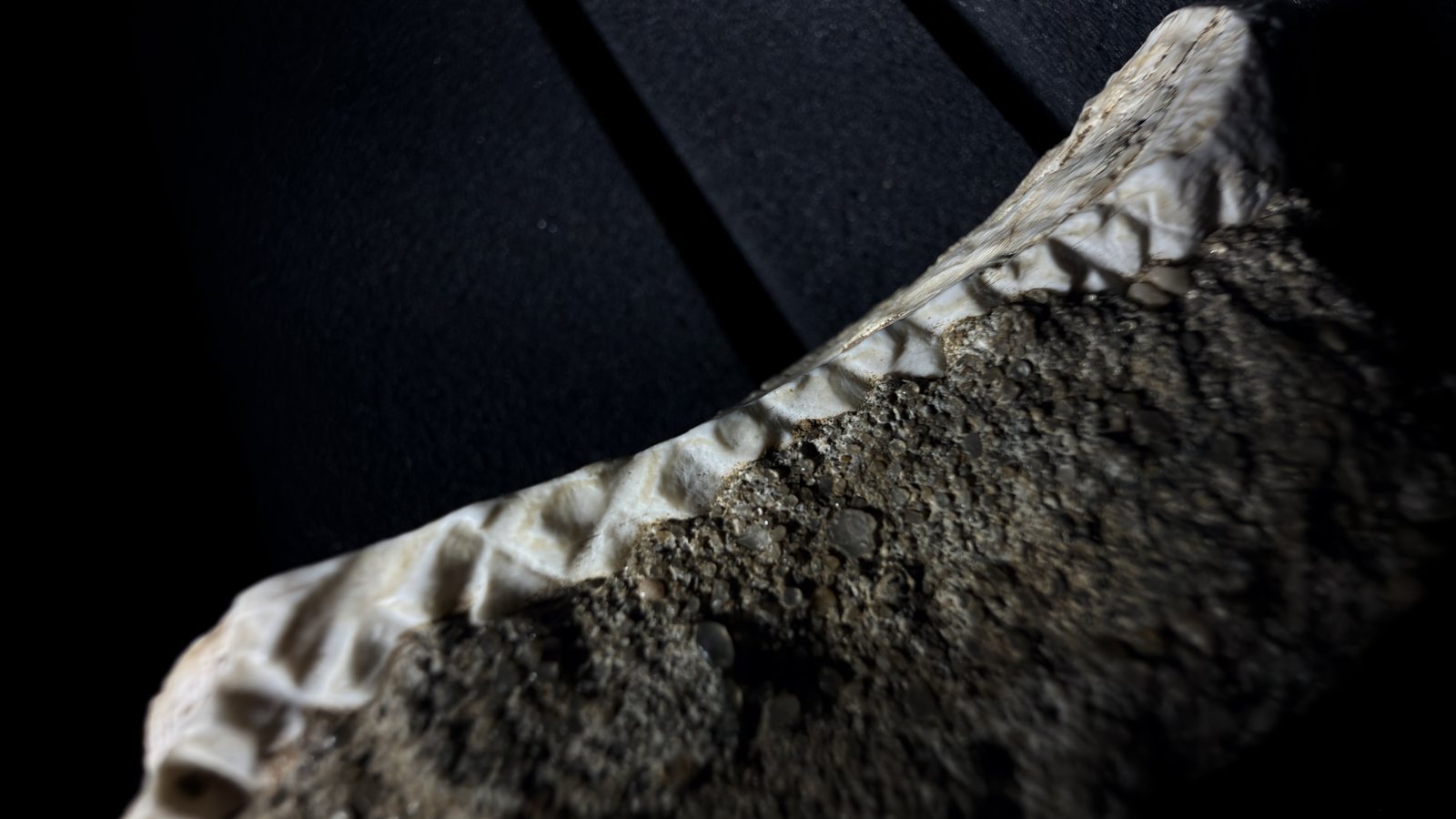
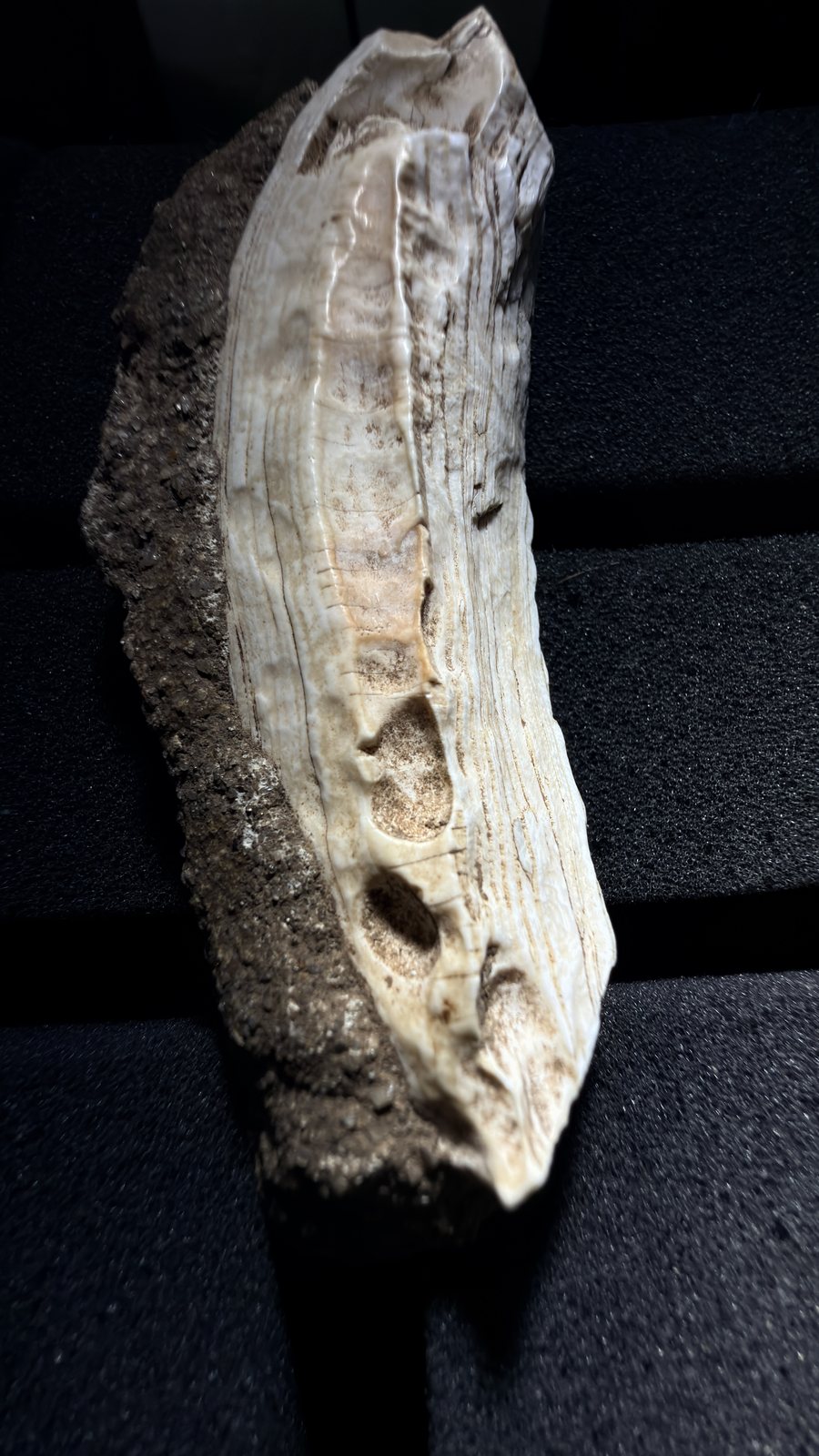
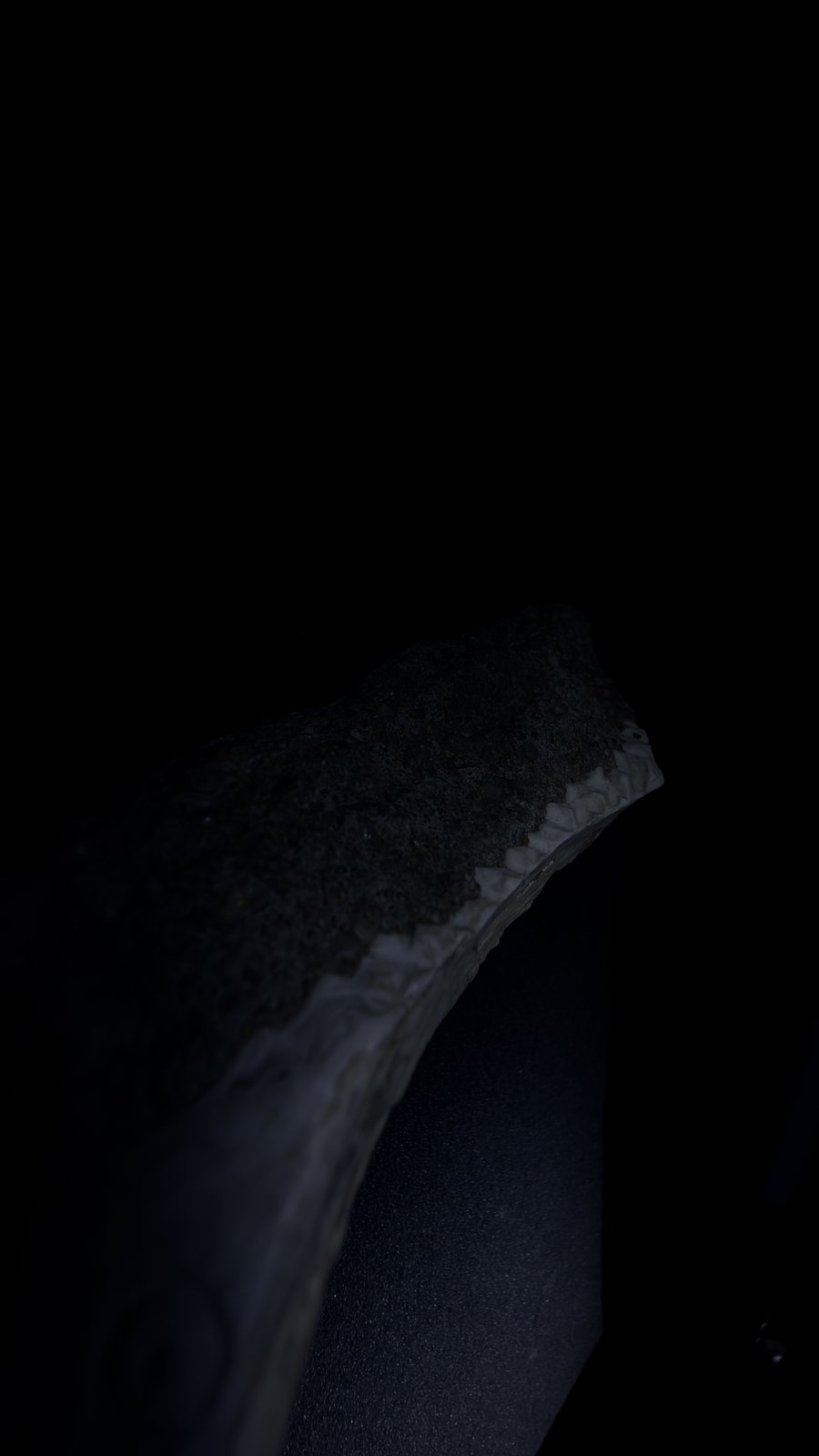
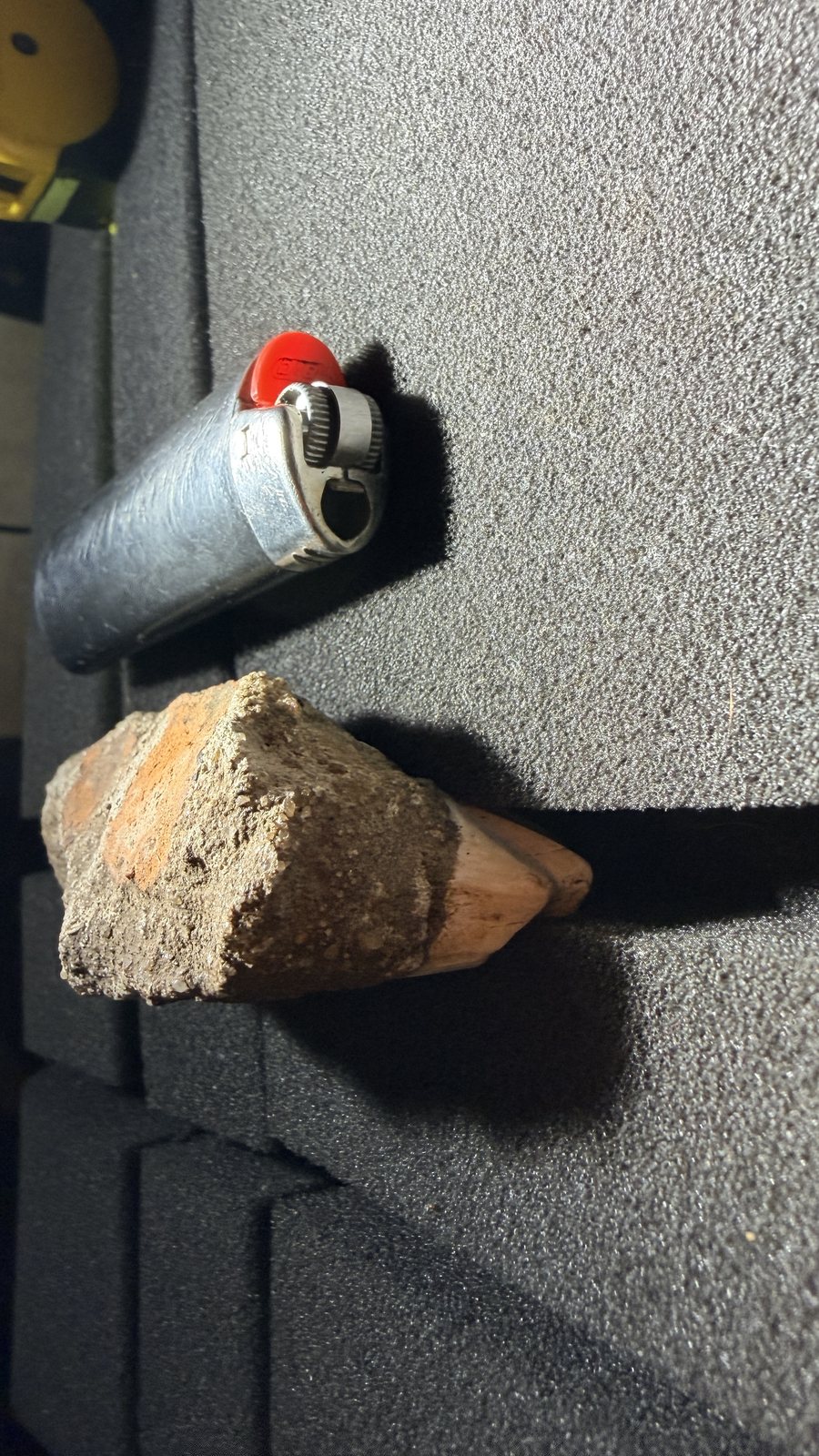
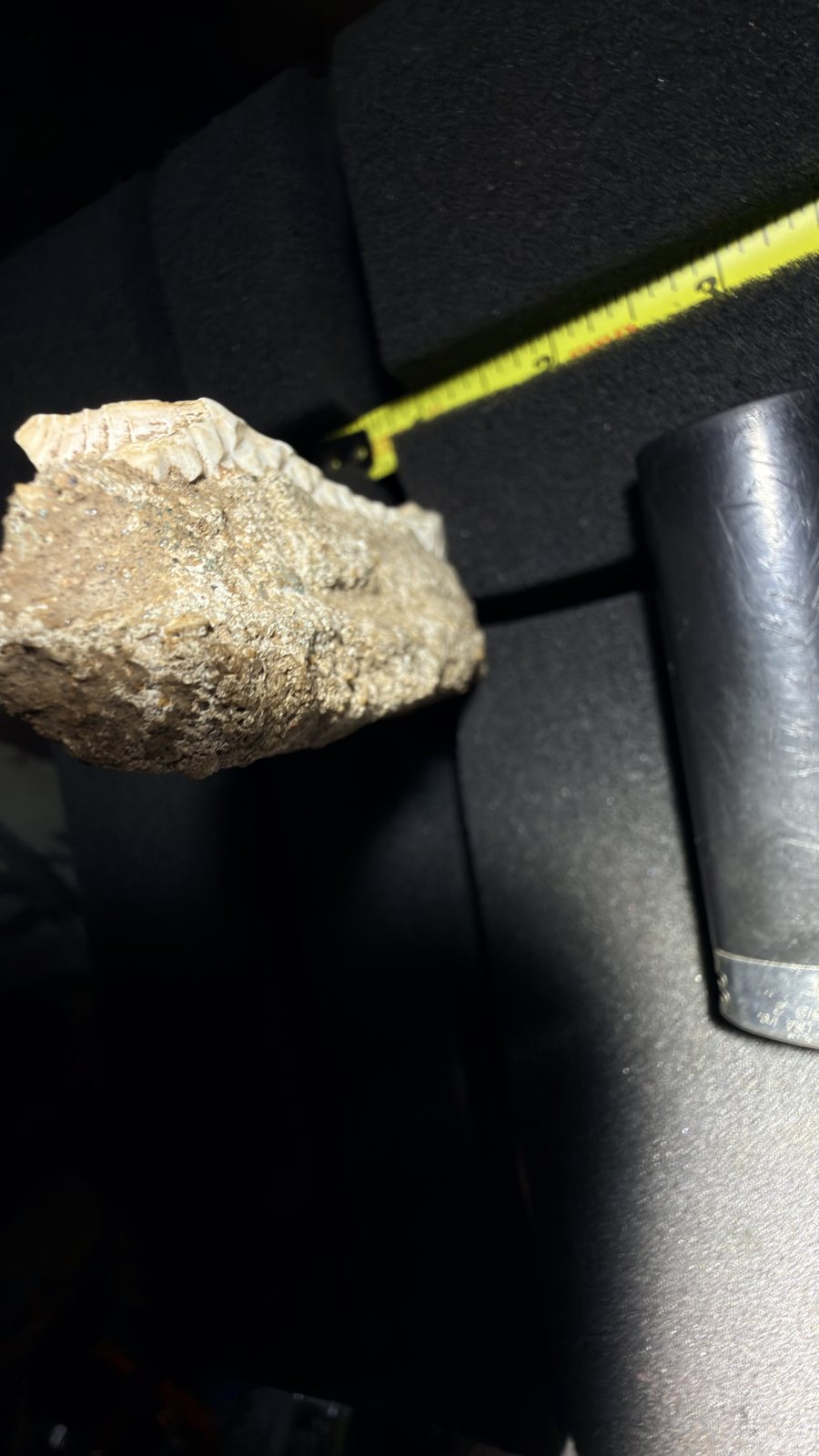
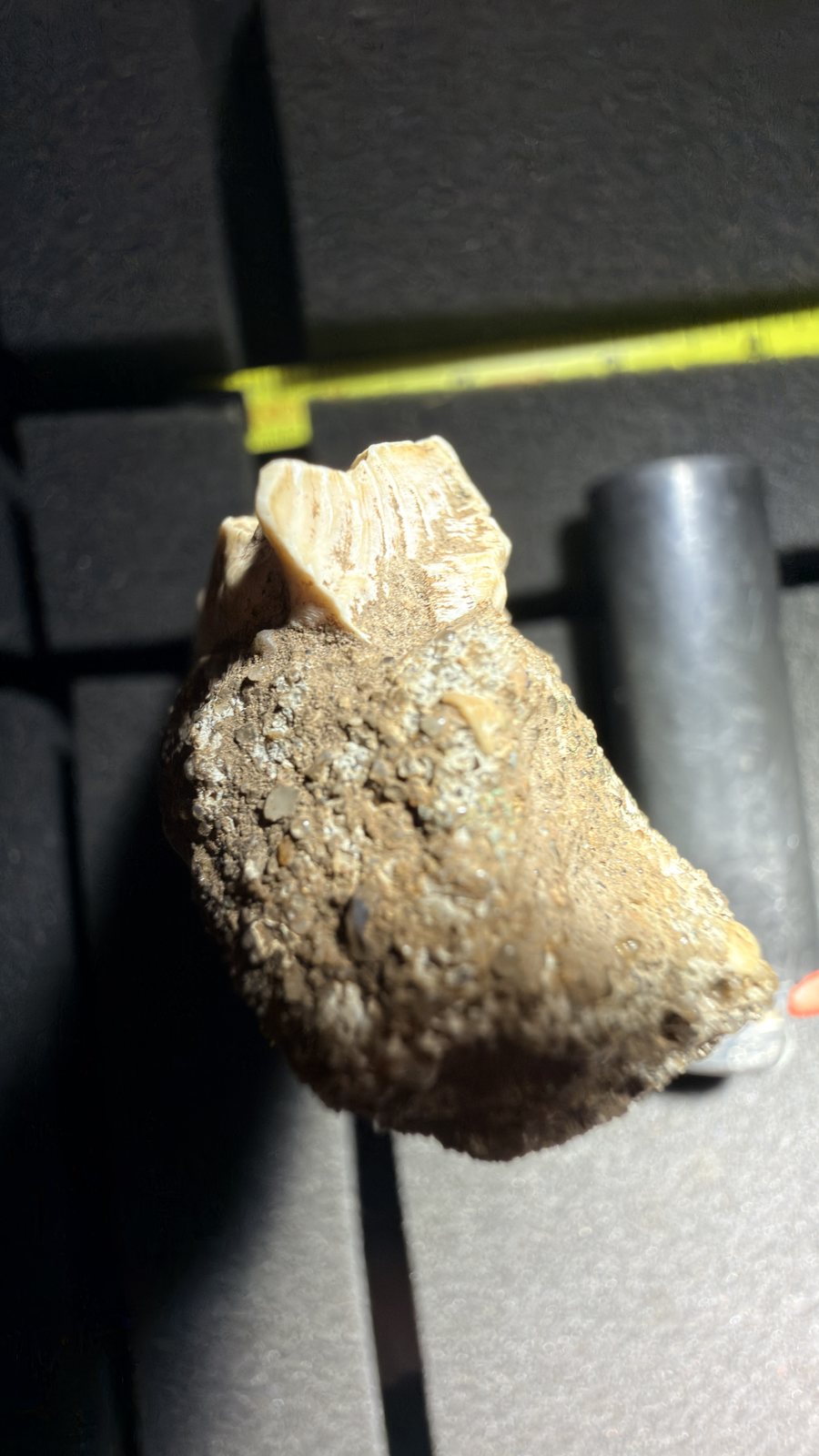
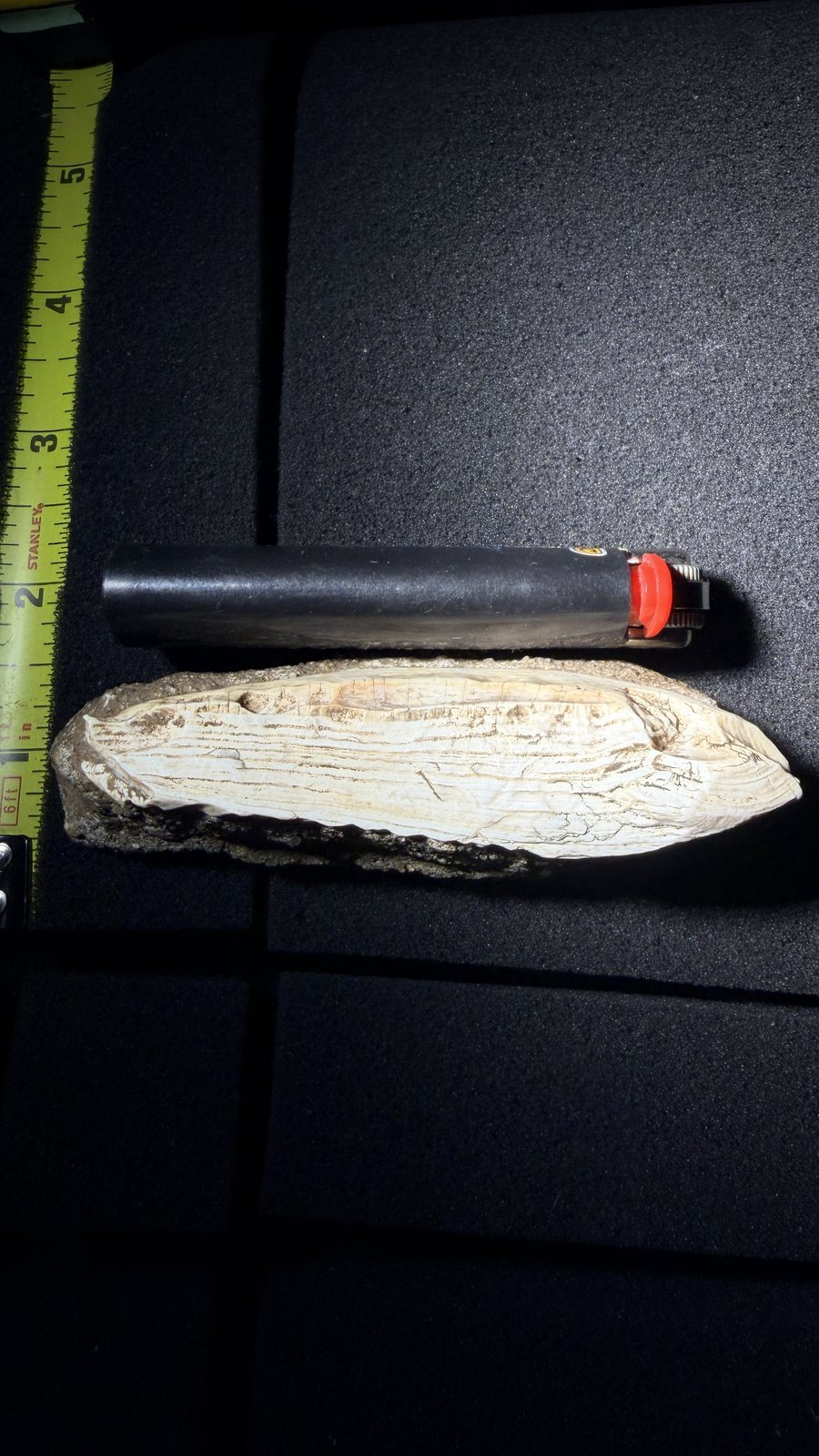
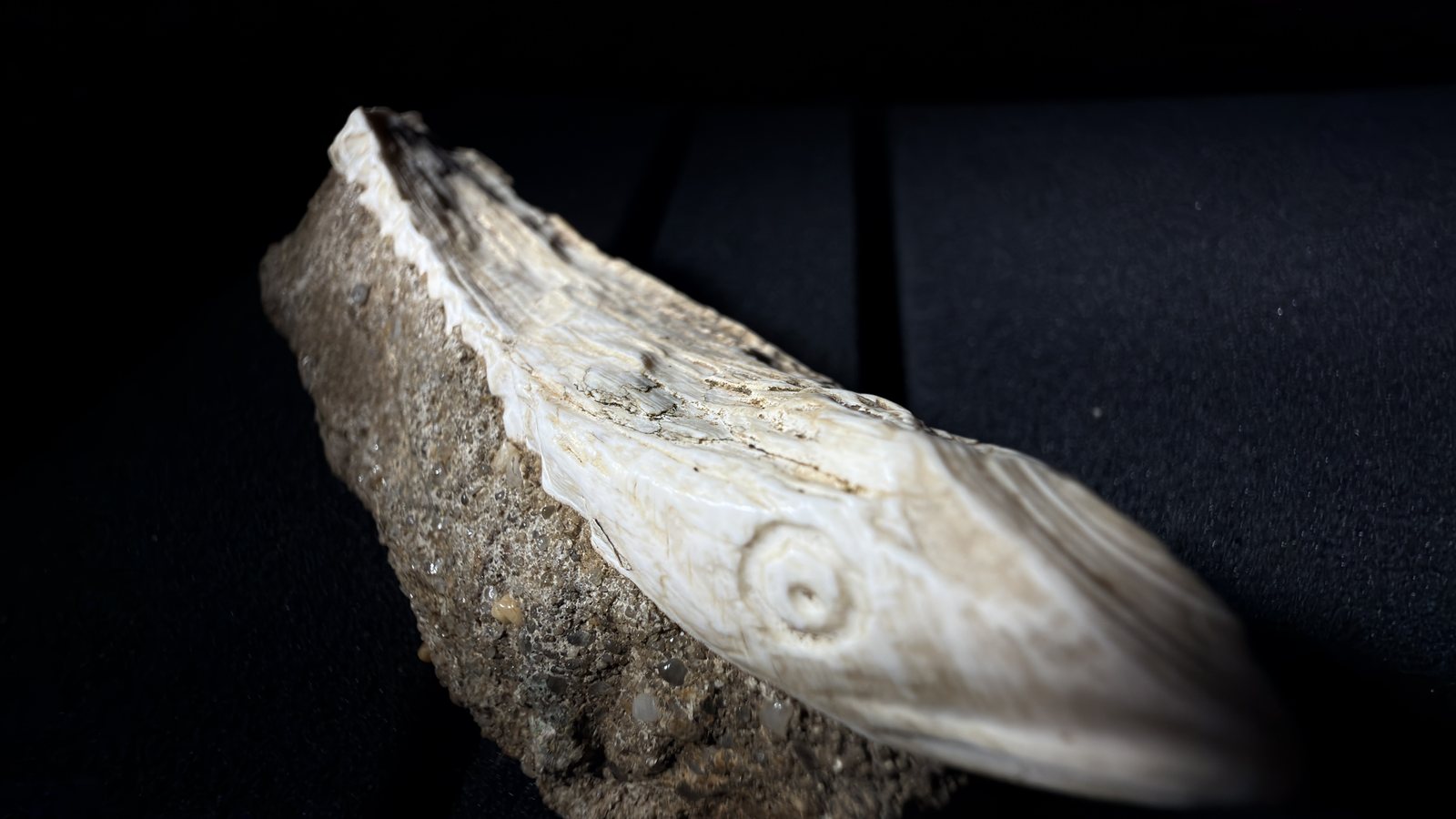
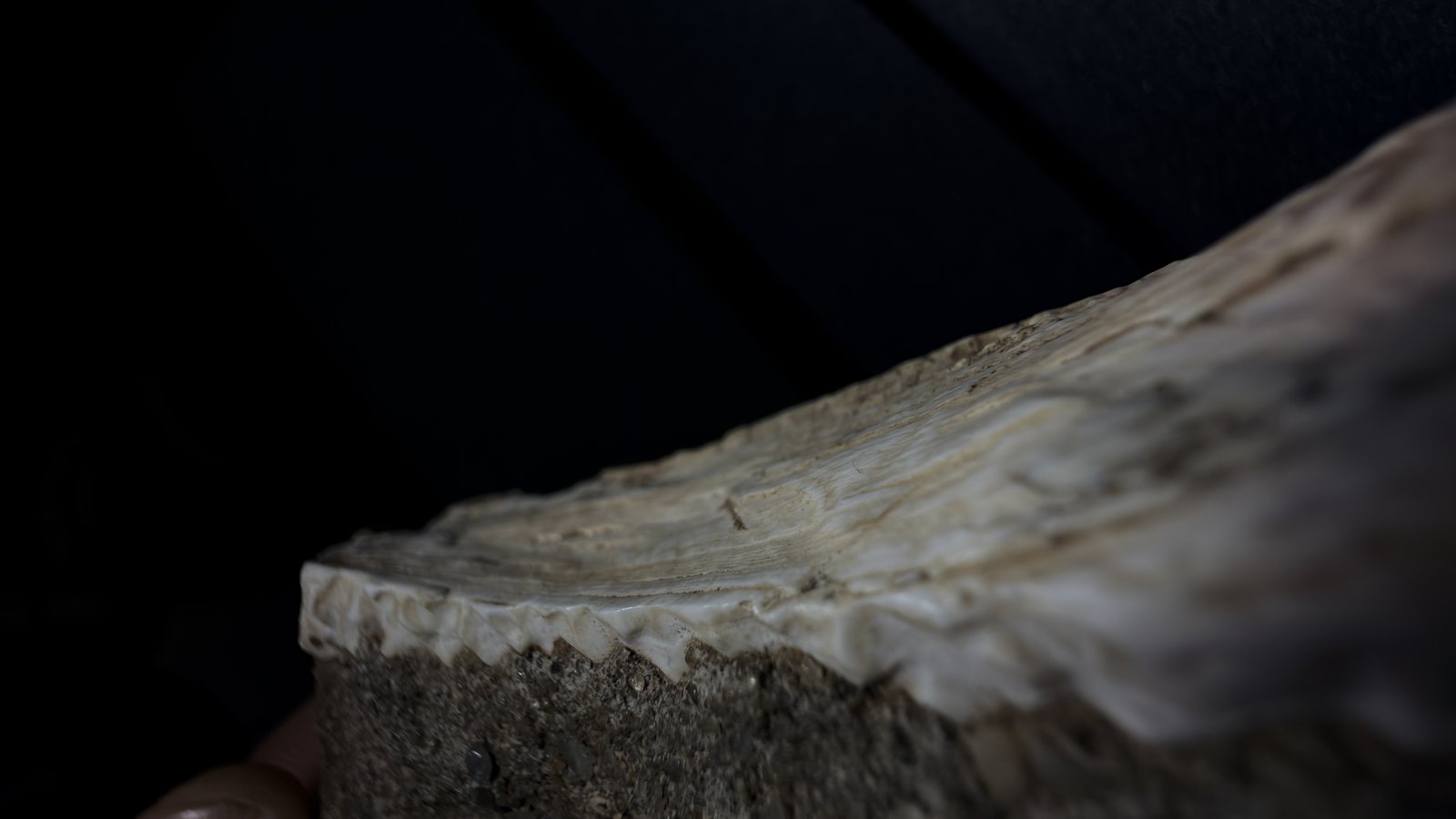
The light-colored portion is a pale or cream structure attached to, or embedded in, coarse gray-brown matrix. Across its exposed surface are ridges and layers with a worked-looking appearance. There is a circular ring-like depression near the pointed end, a narrow slit-like crease, and a boundary with repeated scalloped or triangular projections. Some views show recesses along the underside.
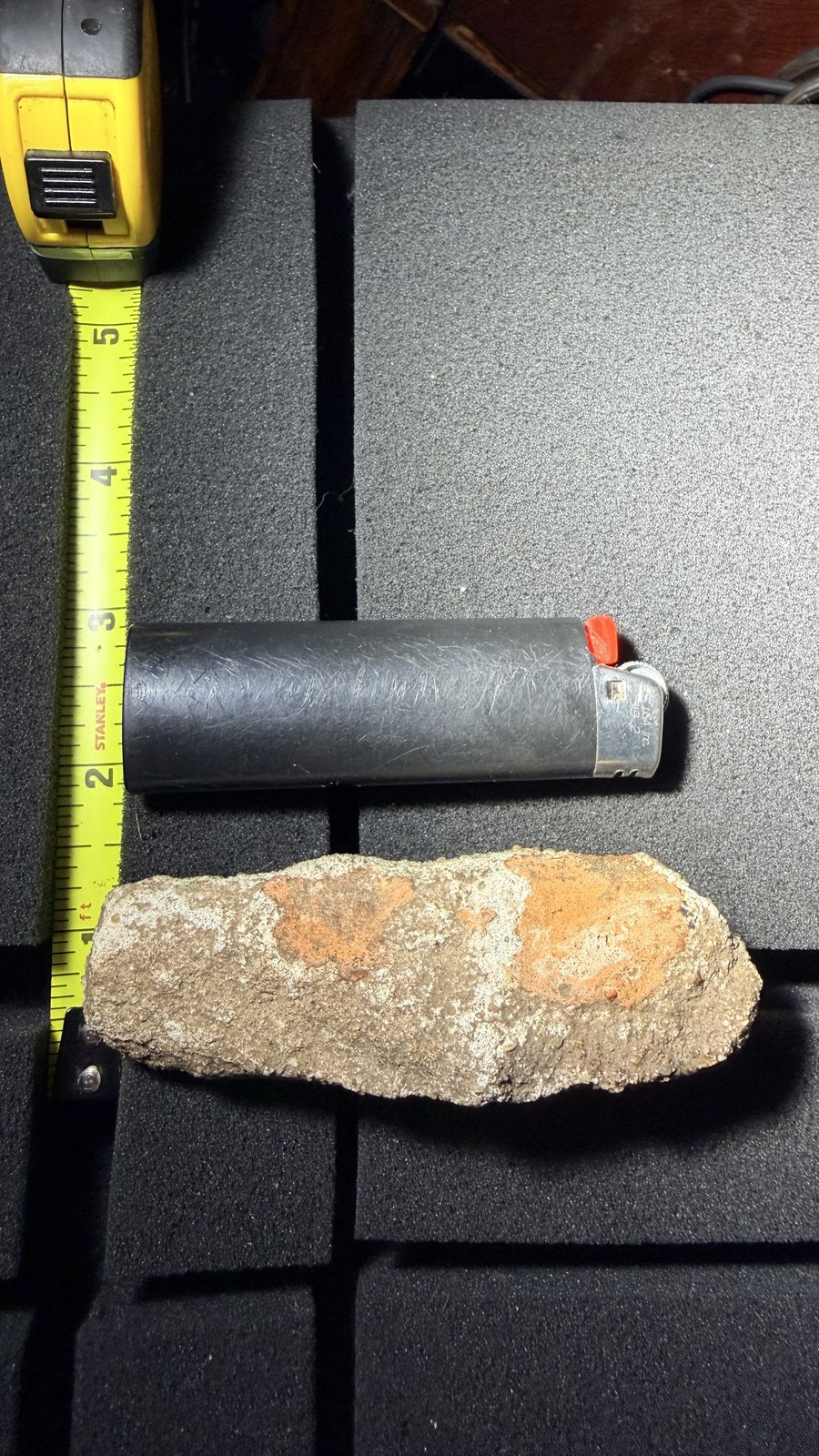
The matrix is granular rather than smooth. Orange-brown patches sit in and around it, and several edges end in irregular fractures. The photographs do not show a readable mark, signature, maker's stamp, or other obvious identifier. They also do not establish whether the pale material and the matrix formed together, were attached later, or were altered at different times.
The yellow tape and black BIC lighter are useful visual scale references. They show hand-sized proportions, but there is no clean baseline shot that supports publishing an exact measurement. A close-up with a tape running alongside an irregular edge can suggest scale without being a measurement record.
Reading the images as a set
The gallery is deliberately arranged as an evidence sequence rather than a parade of near-duplicates. It opens with the recognizable scale view that made the Reddit post legible at a glance. The next views keep the tape and lighter in frame, giving the viewer a sense of the object’s proportions without pretending that a perspective photograph is a calibrated measurement.
The middle group turns toward the pale surface. In those photographs, the long ridges and layered bands are easier to see than they are in the hero. The ring-like depression appears at different angles, and the narrow crease changes from a dark line to a shallow break as the light moves. Along the edge, the repeated scalloped or triangular projections look regular in some frames and uneven in others. That difference matters: a pattern can be a feature of the material, an effect of wear, or an effect of the camera angle.
The later views are there because an object attached to matrix cannot be understood from its profile alone. The underside includes shadowed recesses and broken surfaces. Some matrix faces look granular and compact; others show orange-brown patches and open fractures. The close details at the end of the gallery are useful for comparison, but they should not be read as a substitute for handling, measurement, or examination under controlled light.
No photograph in the set supplies a clean cross-section, a known scale plane, a material test, or a documented chain of custody. The images can preserve the current appearance and make future comparison possible. They cannot answer every question they raise.
Why it looks like a face
Our eyes are very good at finding faces in incomplete patterns. A round depression can become an eye, a crease can become a mouth, and a pointed boundary can suggest a snout or beak. The pale ridges create a strong profile-like outline, while the darker matrix supplies a convincing “head” shape behind it.
That visual reading is real as an experience of the photographs. It is not an identification. The face-like impression is one reason the object caught attention, and also one reason to keep the description physical: pale ridges, a ring-like depression, a slit, projections, recesses, fractures, and matrix are more reliable than the animal the silhouette seems to suggest.
What Reddit proposed
The original discussion in r/fossilid began with the question “What even is this? Fossil? Bone?” The comments did not settle the question. They supplied a set of hypotheses, not a professional conclusion.
Several commenters proposed carved shell or a worn shell form. Others suggested carved tusk or ivory, scrimshaw, petrified wood, fossilized material, or a piece of matrix that might be concrete or mortar. Some readers saw a possible effigy or other worked object. One commenter identified themselves as an anthropology undergraduate and urged contact with Louisiana archaeology or university departments; that self-description is not independent authentication.
The useful part of the thread is not that one theory won. It is that different viewers noticed different evidence: the layering, the edge projections, the ring-like depression, the rough attached block, and the absence of an obvious modern label. The disagreement is itself a status update. From photographs alone, the material, age, species, worked status, and history remain open.
There is also a difference between recognizing a visual resemblance and identifying a material. A commenter may have seen a similar shell pendant, a carved object, or an old piece of worked organic material. That comparison can be a useful lead for a specialist. It does not transfer the earlier object's identity to this one. The same caution applies to suggestions about the matrix. A surface that looks like concrete, mortar, caliche, or compacted sediment in a phone photograph still needs a qualified person to examine it directly.
The family collection
The object belonged to the poster's maternal grandfather. He lived in Louisiana, rarely traveled, spent much of his life outdoors around a local river, and collected fossils, curiosities, unusual rocks, quartz, petrified wood, old Coca-Cola bottles, Dale Earnhardt memorabilia, sealed Hot Wheels, ceramic collectibles, magazines, and other odds and ends.
The object came from a Louisiana family collection. Its acquisition history and find location remain open questions.
The object was kept with other items in an old cream-colored metal medical/display cabinet with glass doors and shelves. The cabinet context is part of the family story. It is not a chain of custody, field note, purchase receipt, or archaeological provenance record.
Status, dated to the supplied snapshot
At the supplied late-August 2026 snapshot, the post had surpassed 2,000 upvotes and 700,000 views. This is a point-in-time status statement, not a permanent total, and it does not provide a professional identification.
Material, age, and origin remain open questions for professional examination.
What evidence would help next
The next useful record would begin with direct measurement and weight: a clean baseline photograph with a ruler or calipers aligned to a clear reference plane, plus a scale reading and the method used. The irregular shape means length, width, and thickness would need to be defined rather than casually estimated.
After that, the object needs non-destructive examination by an appropriate qualified professional. Depending on the question, that could mean a natural-history or paleontological specialist, a materials conservator, or an archaeologist familiar with worked organic materials. The right person may change once the physical material is better documented. A referral is not authentication, and a comment is not a lab result.
Preserve the object
For now, the safest choice is to leave the object exactly as it is. Do not clean, scrape, polish, soak, separate the pale portion from the matrix, use vinegar or acid, run chemical tests, or take a destructive sample. Those actions could remove surface evidence, damage a fragile edge, change the matrix, or erase the very details needed to understand how the pieces relate.
The photographs in this case file are meant to make the evidence easier to inspect, not to turn an unresolved object into a product or a claim. There is no listing, price, availability statement, condition grade, SKU, or valuation here. The useful answer, for Part One, is a better question and a preserved object.
For the original discussion and its attributed theories, see the Reddit thread.